
Backpack cooler vs hard cooler: which should you bring?
Quick answer
Choose the JustinCASE when your packing list includes cold drinks, dry gear, or both. Its convertible interior works as a full cooler, dry storage, or two separated compartments. The same 3.1 lb backpack carries your clothes for travel, then converts for boat days, beach trips, and everyday use.
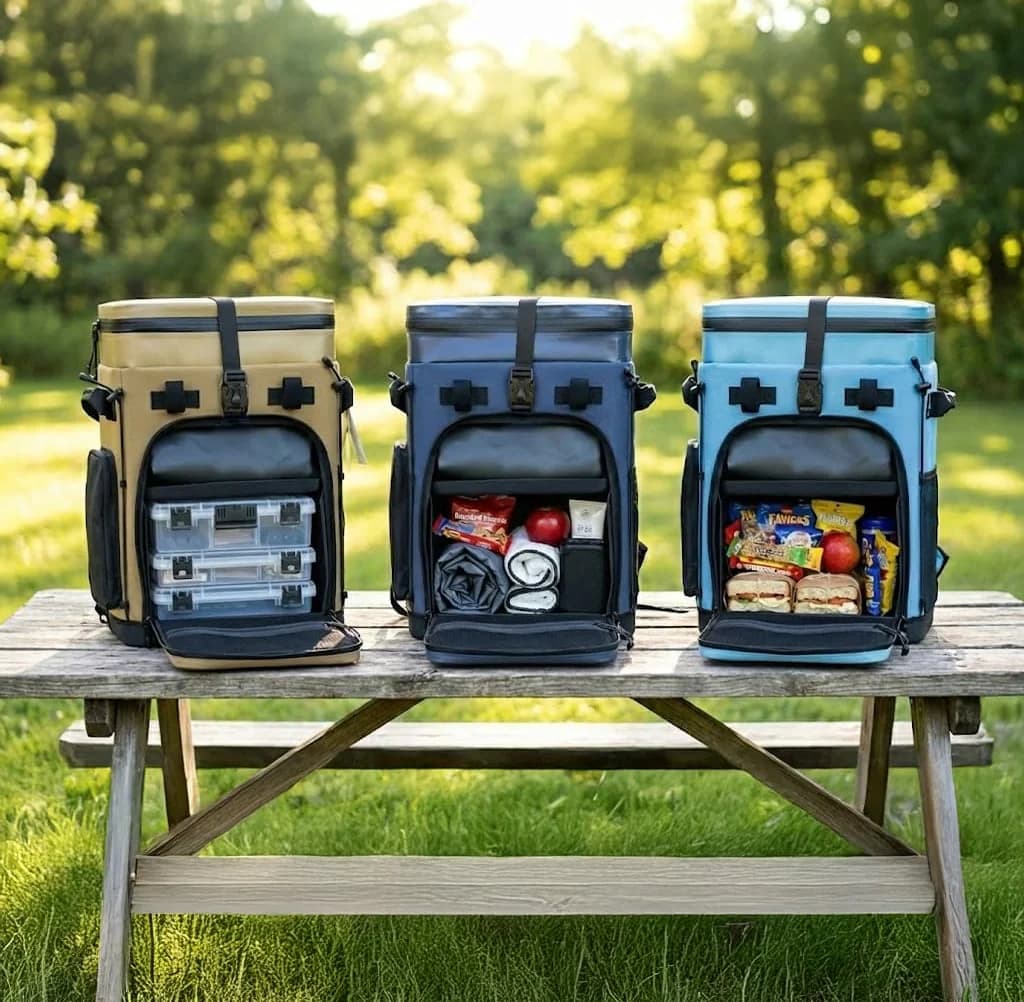
Key Takeaways
- One JustinCASE works as a cooler, dry storage, or both at once.
- With the shelf installed, cold drinks and ice sit above, and dry gear sits below.
- The top compartment holds up to 11 lbs total in split mode.
- Remove the shelf for full cooler capacity: up to 30 cans plus ice.
- Fold the shelf into the base and push the internal bag up for dry storage.
- Check your airline's size and weight limits before flying.
Start With What You Need to Carry
Choose the JustinCASE for the whole packing list: chilled drinks, dry clothes, towels, or travel essentials. The bag changes jobs as your plans change. For a beach day, install the Dual-Mode Shelf with its JC logo upright and put drinks and ice above, within the 11 lb load limit. Dry gear goes below. For a day focused on drinks, remove the shelf and use the full cooler interior. You can explore those modes in the packing demo.
Pack Cold, Then Care for the Bag
Start with chilled drinks and a 2:1 ratio of ice to contents. The owner's guide describes 24+ hours of ice retention; temperature, packing, and opening the lid affect results. After using the cooler, drain it and wipe the interior dry before packing clothes or electronics. For cleaning, use mild soap and water. Do not machine wash or submerge the bag. These are the care steps for keeping the same bag ready for its next job.
Use the Same Bag on the Way Home
Convert the interior to dry storage when the cooler job is done. Push the internal dry bag up toward the cooler opening and store the folded shelf in the base. Pack your clothes and essentials for the return trip, then check your airline's baggage limits if you are flying. The JustinCASE product page shows all five colorways. Every bag comes with a 100-day return window and a 94.5-year warranty.
Common questions
Do backpack coolers keep ice as long as hard coolers?+
The JustinCASE owner's guide describes 24+ hours of ice retention with good packing. Start with chilled contents and a 2:1 ratio of ice to contents. Results depend on temperature, packing, and how often you open the bag. See the owner's guide for setup and care.
Is a convertible cooler worth it over a regular backpack cooler?+
If you travel or want one bag for dry gear and cold drinks, yes. The dry compartment removes the need for a second bag.
Keep reading
Not ready yet? Keep the door open.
New colorways, restock alerts, and the occasional field guide. We will tell you when something is actually worth knowing.